I attended this CLE for Family Law at BYU. It was rather interesting, and I got a cookie. Two of the speakers are featured below.

Tamara Fackrell, J.D., spoke on mediation in divorce. She asked attorneys to disclose to mediators what "hot spot" issues their clients have. Apparently these are issues which instantly trigger tantrums. Divorce clients are understandably under a lot of strain. Here's an interesting thought: If a client is really too angry and irrational to be coached and trusted to behave at mediation, maybe disclosing "hot spots" to the mediator is impliedly authorized by rule 1.14(c) to protect the interest of a "client with a diminished capacity."

Bert L. Dart, Jr., J.D., spoke on civility among lawyers. He said civility is being emphasized more yet practiced less. He introduced me to the term "paid hater." This is an attorney who attempts to serve the client by adopting their client's anger and despicable tactics (their diminished capacity). These lawyers quickly burn out at work, and quickly burn through their credibility at the bar.
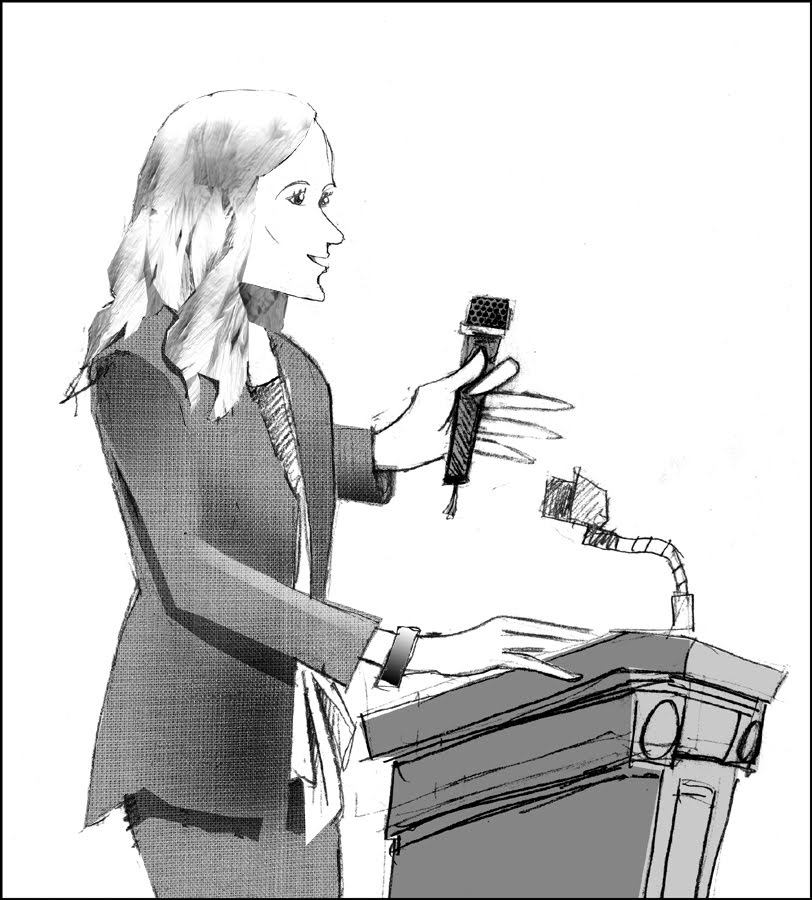 Tamara Fackrell, J.D., spoke on mediation in divorce. She asked attorneys to disclose to mediators what "hot spot" issues their clients have. Apparently these are issues which instantly trigger tantrums. Divorce clients are understandably under a lot of strain. Here's an interesting thought: If a client is really too angry and irrational to be coached and trusted to behave at mediation, maybe disclosing "hot spots" to the mediator is impliedly authorized by rule 1.14(c) to protect the interest of a "client with a diminished capacity."
 Bert L. Dart, Jr., J.D., spoke on civility among lawyers. He said civility is being emphasized more yet practiced less. He introduced me to the term "paid hater." This is an attorney who attempts to serve the client by adopting their client's anger and despicable tactics (their diminished capacity). These lawyers quickly burn out at work, and quickly burn through their credibility at the bar.


